
Woolrec: How Recycled Wool is Shaping Sustainable Fashion
Woolrec: Giving Wool a Second Life
We’ve seen it all—piles of old sweaters, scarves, and factory scraps. They sit in landfills, slowly breaking down. It’s wasteful, yes, but there’s hope. Woolrec takes old wool and turns it into something useful again. No gimmicks. Just wool, cleaned, spun, and ready for a new life.
We like to think of it as a kind of “recycling magic,” but it’s really careful science. For anyone who cares about fashion and the planet, it’s worth knowing how it works.
What Woolrec Actually Does
Woolrec collects old wool and gets it ready for reuse. Sounds simple, but there’s a lot going on behind the scenes. Sweaters, factory offcuts, and scarves—they all have different lengths, textures, and colors. Woolrec sorts everything, cleans it, and prepares it for spinning into new yarn.
It’s kind of like a chef separating ingredients before cooking. Every step matters. A diagram showing collection, cleaning, sorting, and spinning would help. And honestly, seeing a picture of soft, recycled wool makes you feel like the recovery process is really happening, not just some abstract idea.
The Wool Recovery Process
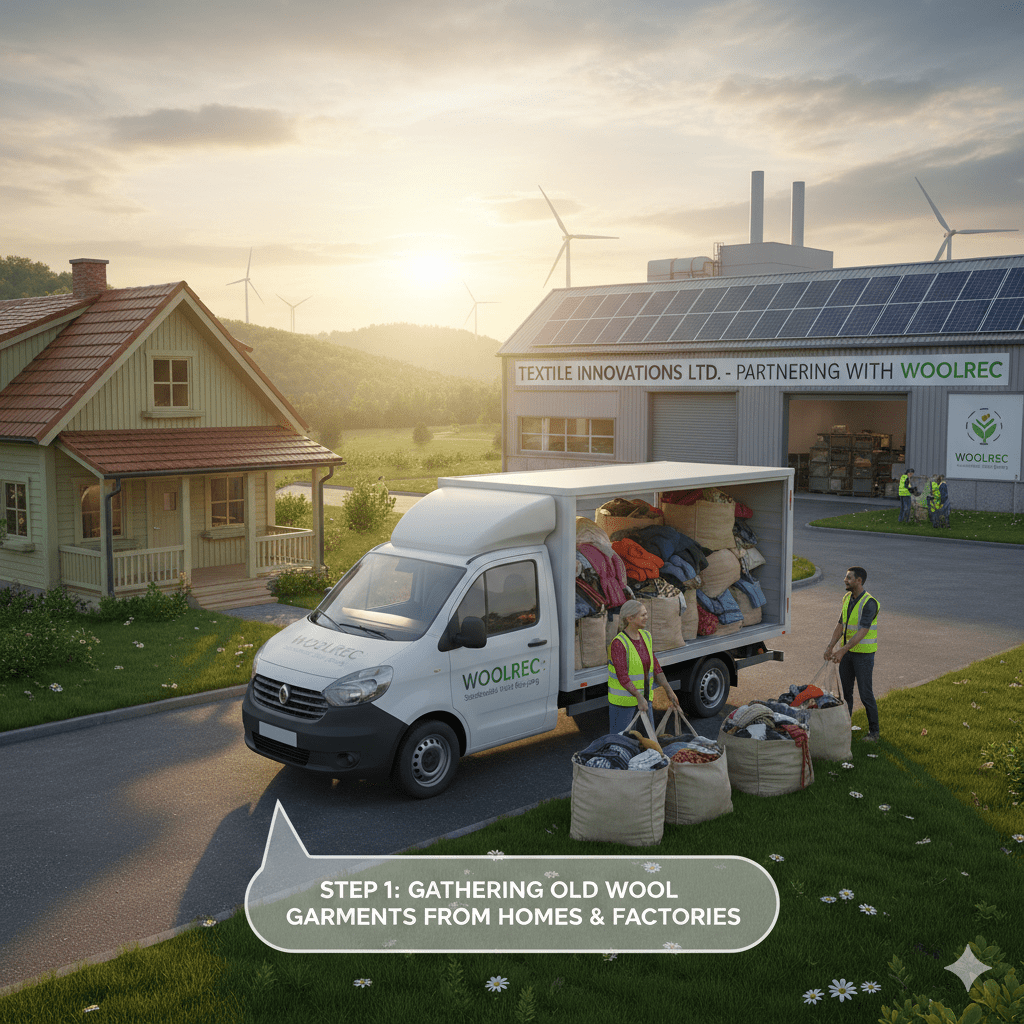
It starts with gathering old wool. That could be leftover scraps from factories or worn-out clothes. Then, the material is cleaned and sorted. Fibers are gently pulled apart, spun, and sometimes blended with new wool to keep the quality consistent.
Imagine taking apart an old sweater thread by thread and knitting it into a new one. That’s basically what Woolrec does. A simple flowchart would make it easier to follow. Adding a few stats here helps too, like “Woolrec recycles thousands of tons of wool every year,” but we’d keep it casual—no overloading the reader.
Why Sustainable Wool Matters
Sustainable wool reduces the environmental cost of fashion. Producing new wool takes water, energy, and land. Reusing old wool cuts down on all of that. Plus, it keeps mountains of clothing out of landfills.
We like to tell people: wearing recycled wool isn’t just a fashion choice. It’s a small act of care for the planet. A short video showing recycled wool being processed into yarn can make this feel real. Seeing is believing, right?
Woolrec and Circular Fashion
Circular fashion is about keeping materials in use instead of tossing them after one wear. Woolrec fits right in. Old sweaters become new sweaters. Scarves get a second life.
Think of it like borrowing a cup of sugar from a neighbor and returning it—except the wool actually comes back as something useful. A visual comparing linear fashion (use once, discard) to circular fashion (reuse, recycle, repeat) helps. Brands adopting this reduce waste and show customers they care about sustainability.
Eco-Friendly Textile Practices
Woolrec isn’t just about recycling. It’s about doing it responsibly. Minimal chemicals. Less energy. Careful waste handling. It’s all practical, not flashy.
We like to sprinkle in facts here—like “recycling one ton of wool saves roughly 20,000 gallons of water”—but only when it adds clarity. Photos of tidy, well-run facilities make it feel trustworthy. It’s proof that Woolrec isn’t just a concept; it’s happening in real life.
A Simple Guide to Recycled Wool
Not all recycled wool is the same. Woolrec focuses on keeping fibers strong, soft, and flexible.
We often tell designers: check the fiber length, softness, and texture. Side-by-side photos of virgin vs. recycled wool make it obvious that recycled wool can look and feel just as good. Even for DIY crafters, it’s reassuring to see the quality before they start knitting.
Woolrec Technology in Action
The process combines machines with careful handling. Natural fiber is cleaned, sorted, spun, and sometimes lightly treated to keep colors consistent. Nothing harsh, nothing over the top.
A small video showing wool being spun into yarn makes it feel alive. Adding a note like “Woolrec can process around 500 kg of wool daily with minimal energy” gives context. It’s impressive, but not in a “look at me” way—just practical numbers.
Why Brands Choose Woolrec
Brands are jumping on board because it works. Recycled natural fiber cuts waste. It can save money. And it appeals to consumers who care about sustainability.
We’ve seen small brands using Woolrec in scarves and sweaters. They often post behind-the-scenes photos of the recycled natural fiber being processed. It’s proof that recycled natural fiber isn’t inferior—it’s real and functional. Including a short designer quote here adds authenticity. Something simple: “We love that we can offer quality sweaters and keep waste low.”
Measuring Environmental Impact
We like to make it relatable. Instead of throwing numbers at readers, we say, “1 ton of recycled wool saves as much energy as running 10 homes for a year.” Charts comparing virgin vs. recycled natural fiber production can make this visually clear. Small, tangible examples like that help people understand why it matters.
The Future of Wool Recycling
Sustainability isn’t optional anymore. Woolrec shows that practical, responsible recycling works. More brands are adopting eco-friendly textile practices, and consumers are paying attention.
We could add a timeline here—how Woolrec has grown, how much natural fiber has been saved, and what’s next. Small stories work best, like a brand finding that their customers actively ask for recycled natural fiber sweaters. That personal angle makes it relatable.
How Consumers Can Help
Recycling Natural fiber isn’t just for factories. Consumers can make a difference too.
Some tips:
- Donate or sell old wool garments instead of tossing them.
- Look for labels that mention recycled wool.
- Take care of natural fiber garments properly to extend their life.
We’d suggest a small graphic showing “Donate → Buy Recycled → Wear Again.” It’s simple, actionable, and visually clear. People like instructions that are easy to follow.
Wrap-Up
Woolrec makes natural fiber recycling practical and real. It connects brands, factories, and consumers in a loop that reduces waste and preserves resources. Everyone benefits—fashion becomes less wasteful, consumers get quality products, and the planet gets a break.
A final infographic showing the complete natural fiber cycle—from old garment to new product—wraps it up visually. Adding a short video of finished recycled wool products in everyday use would tie it all together.